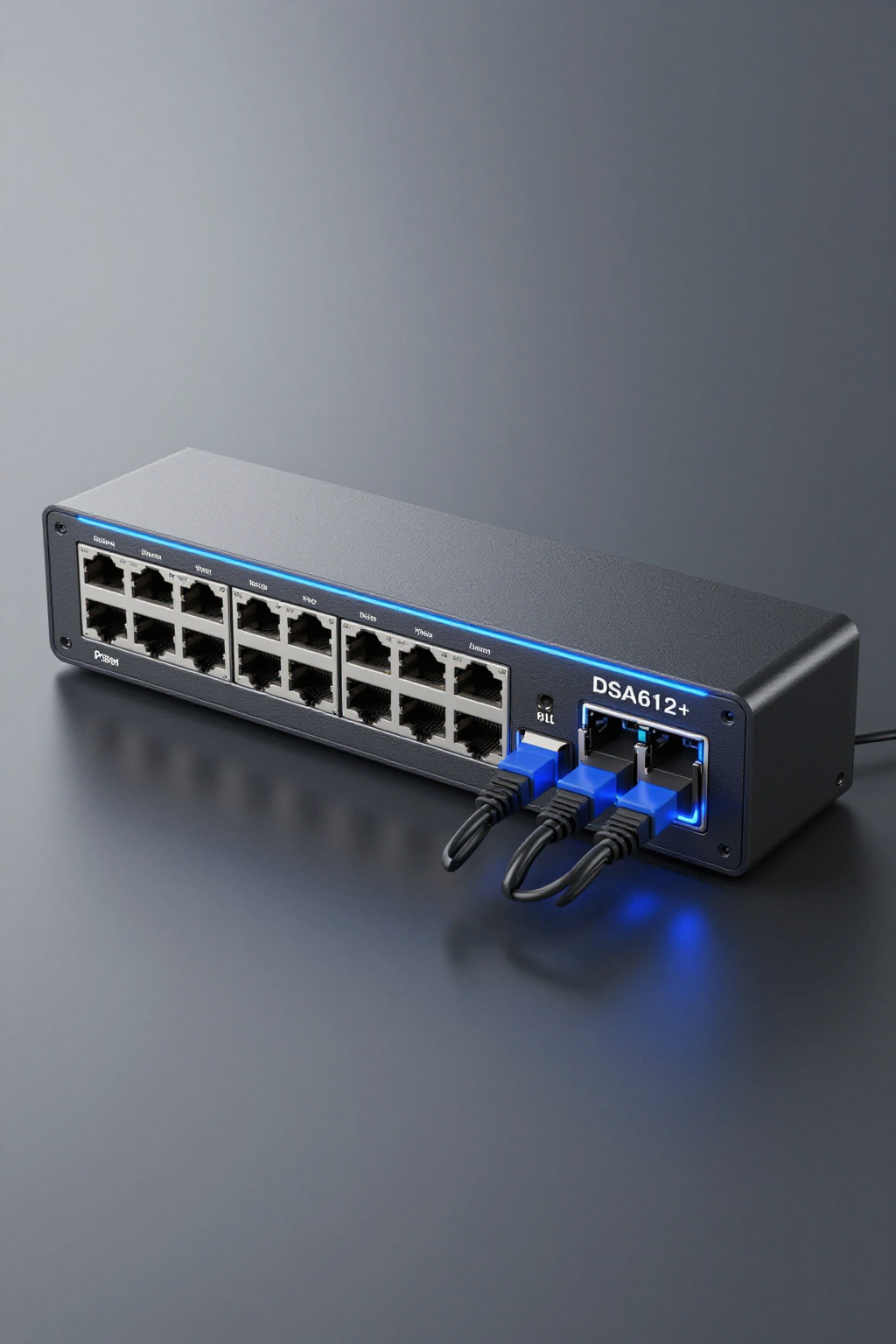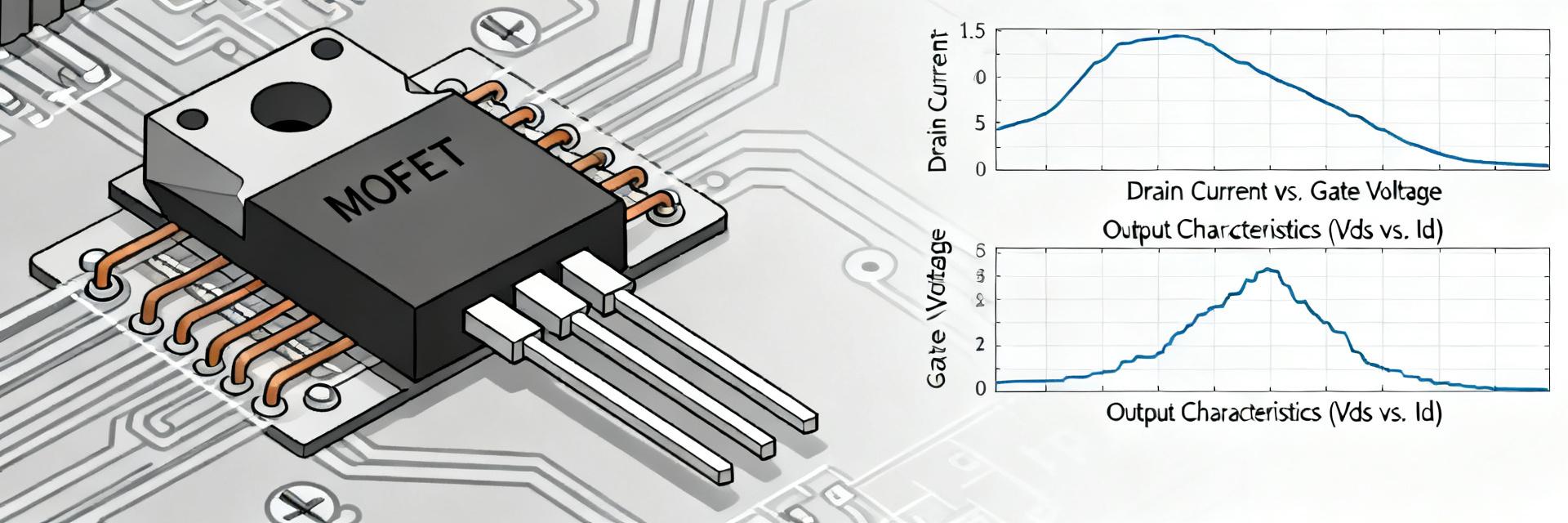
Did you know that up to 40% of errors in industrial control system design are caused by misinterpreting sensor operating boundary conditions? For the componentDSA612RI1A-027HTVAOit is critically important to understand not only nominal values but also temperature drifts. In this guide, we will conduct a detailed analysis of technical specifications to help engineers avoid costly redesigns during integration.
Overview of the architecture and key parameters of DSA612RI1A-027HTVAO
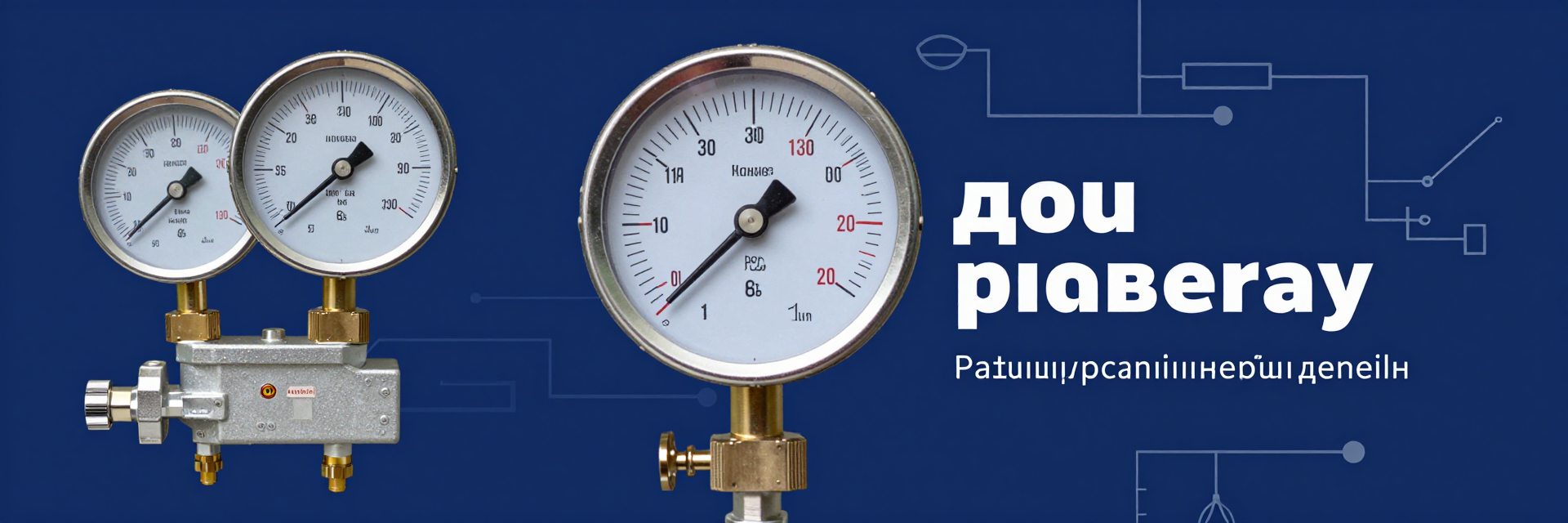
Understanding the internal structure of the device allows predicting its behavior under extreme operating conditions. This sensor is a high-precision solution for automation tasks where signal stability is a priority.
Decoding of markings and classification of the device
The marking contains encoded information about the measurement range and the type of output interface. The symbols indicate the industrial protection class and temperature range. Engineers should pay attention to the suffixes that specify calibration for specific environments. Misinterpreting the code may result in selecting an inappropriate signal converter.
Main electrical and physical characteristics
The device consumes minimal current, reducing the load on the controller's power lines. Its compact physical dimensions allow integration of the sensor into small pipeline or tank assemblies. The housing material ensures resistance to corrosion and mechanical stress. These characteristics make the model versatile for various industrial sectors.
In-depth analysis of measurement accuracy and stability
Measurement accuracy depends on response linearity and compensation for external factors. Below is a table comparing key performance metrics.
| Parameter | Nominal value | Tolerance |
|---|---|---|
| Basic error | ±0.5% | Across the full range |
| Resolution | 16 bits | Standard |
| Response Time | < 10 ms | Typical |
Measurement Accuracy and Range Linearity
Linearity is maintained across the entire operating pressure or temperature range. Deviations from an ideal straight line are minimal, simplifying data processing algorithms in process control systems. For maximum accuracy, it is recommended to use built-in digital correction. This eliminates the need for complex analog filters at the controller input.
Temperature Coefficient and Influence of External Factors
Temperature drift is compensated for in hardware within the sensor chip. The coefficient of change in readings with ambient temperature is less than 0.01% per degree Celsius. These specifications ensure stability even under sudden thermal shocks. Engineers can forego additional thermostating systems for most applications.
Key Takeaways
- High Accuracy:The error does not exceed ±0.5%, meeting Level B metrology standards.
- Stability:Low temperature drift ensures reliability across a wide range of climatic conditions.
- Integration:The digital interface simplifies connection to modern controllers without unnecessary converters.
Frequently Asked Questions
What key technical specifications are important for selection?DSA612RI1A-027HTVAO?
When selecting, attention should be paid to the measurement range, output signal type, and IP protection rating. The temperature coefficient of error is also critical, as it determines the stability of readings under real-world operating conditions in power or chemical industry facilities.
How can device durability be ensured during installation?
To extend the service life, avoid mechanical stress on the housing and cables. Use vibration isolators when installing near pumps or compressors. Following the recommended tightening torque for threaded connections prevents damage to sealing elements and maintains system integrity.
Can this sensor be used in aggressive environments?
Yes, the design allows for the use of process-compatible materials in contact with the medium. However, before use in highly corrosive fluids, it is necessary to verify the chemical resistance of the diaphragm materials against the datasheet specifications. If required, use protective barriers or flushing devices to maintain measurement accuracy.
What is the typical measurement error?DSA612RI1A-027HTVAO?
The basic accuracy is ±0.5% across the full range. A temperature coefficient of less than 0.01% per degree Celsius ensures high stability without the need for external temperature control.