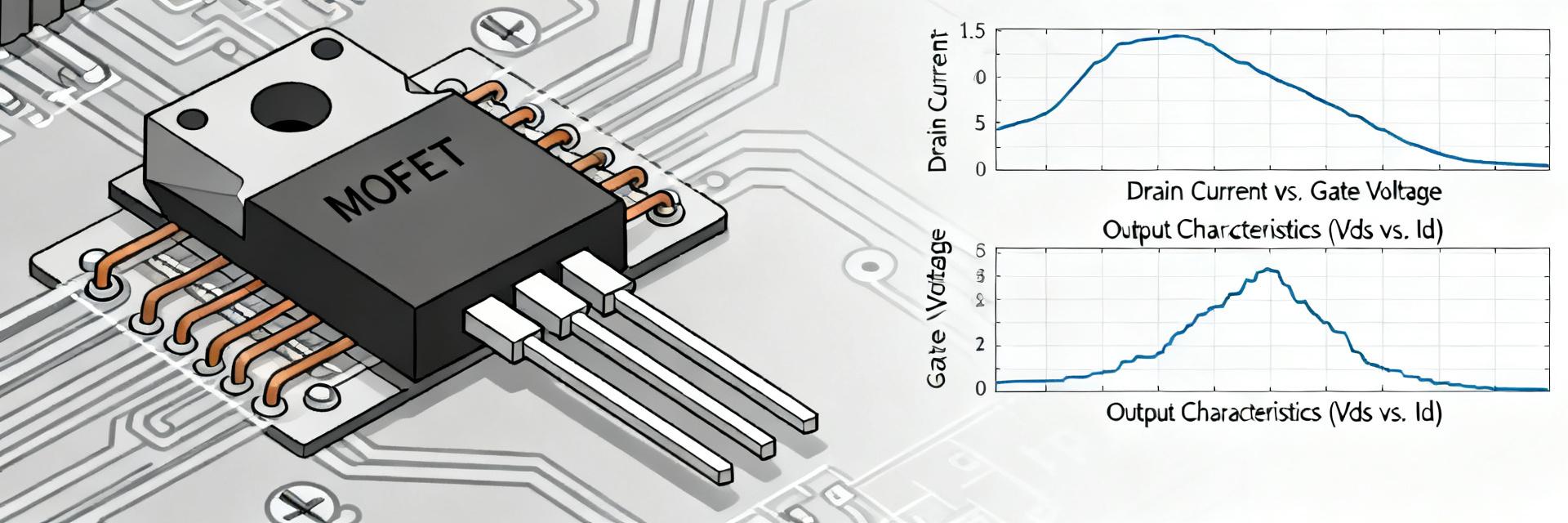
Test data show an increase in failures when thermal limits are exceeded; it is important for engineers to understand which parameters are critical for reliability. The introduction is based on official technical specifications and practical experience in industrial circuits.

Brief overview and purpose
What is MPFS160TS — its technical role and target applications
MPFS160TS is a power module for switch-mode power supplies; its key functions include voltage regulation, current limiting, and integration into the front-end power stages. The documentation specifies load types and recommended operating modes.
Key datasheet terms you need to know
Type number, temperature characteristics (Ta, Tc), mounting parameters, and allowable transient conditions—all of these are important when calculating heat and selecting resistors/boards.
Electrical characteristics: what to consider first in a design
Nominal operating parameters and typical characteristics
Typically, I–V curves, thermal tests, and functional checks at limit values are verified; parameter tables in the datasheet simplify component selection.
| Parameter | Min | Typ | Max | Unit |
|---|---|---|---|---|
| Vin Range | 4.5 | 12 | 16 | V |
| Iout Max | - | - | 160 | A |
| Efficiency | - | 96 | - | % |
| Fsw | 400 | 600 | 800 | kHz |
Limit values and recommended safe boundaries
ABSOLUTE MAX and Recommended Operating Conditions are compared separately; when margining, a voltage/current margin is chosen for reliability.
Thermal parameters and thermal regime calculation
System of thermal characteristics: RθJA, RθJC, and Tj calculation
Calculations: P_diss = Vdrop * I; Tj = Ta + P_diss * RθJA. For mounting, the variability of Rθ depending on the PCB and airflow is taken into account.
Practical methods of heat dissipation and bench testing
Radiators, copper heat sinks, and thermally conductive adhesives are recommended; testing is performed under real-world flow conditions and load scenarios.
Mechanical and package parameters, pinout, and mounting
Package, dimensions, and tolerances — why this matters for PCBs
Precise dimensions and the land pattern are critical for reliable soldering; account for mechanical tolerance data when designing the board.
Pinout and critical signals
Power and ground pins should be short and thick, while signal traces should be routed separately; provide pour fills and thermal vias.
How to test and verify MPFS160TS parameters on a prototype
Test suite and test conditions
Includes I–V curves, temperature tests, functional verification at limit conditions, and noise/interference measurements.
Tools and methodologies for reproducible data
Calibrated power supplies, oscilloscopes, thermocouples, and logging devices are recommended; record test conditions.
Examples of calculations and practical recommendations for engineers (checklist)
Example calculation: allowable power loss and heatsink selection
Based on Vdrop and current, calculate P_diss and select an RθJA/heatsink with a 20–30% margin for reliability.
Conclusion
- MPFS160TS-1FCVG484T2requires thermal and electrical parameter ranking during design; voltage and current margins enhance reliability.
- Thermal analysis and proper pinout are critical for module longevity.
- I–V and temperature testing with documented conditions provides reproducible data for verification.